

Suet To Go
Suet to Go Peckaballs Insect 3kg
Suet to Go Peckaballs Insect 3kg
Couldn't load pickup availability
Suet to Go Peckaballs Insect 3kg
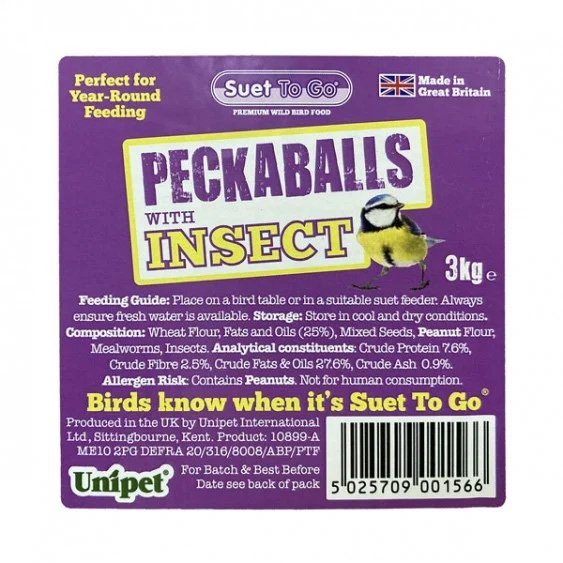
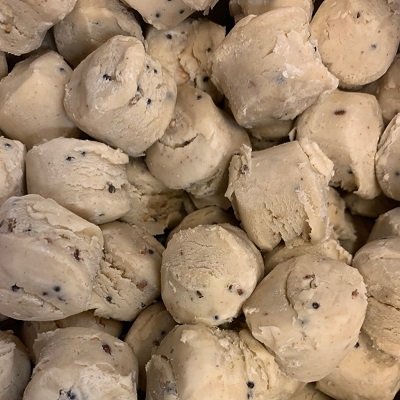
Suet to Go Peckaballs are a high-energy suet treat for wild birds in a smaller, lighter format than standard fat balls. Each Peckaball weighs approximately 20g (compared to 80–90g for a standard fat ball), making them easier for smaller birds to handle and ideal for suet energy ball feeders or a bird table. Approximately 135 Peckaballs per 3kg box. Palm oil free. Made in the UK.
Composition
Wheat flour, fats and oils (25%), mixed seeds, peanut flour, mealworms and insects. Does not contain palm oil.
Key Benefits
- Smaller 20g format — easier for small birds and fledglings
- 25% fats and oils for high energy
- Real mealworms and insects for natural protein
- Mixed seeds and peanut flour for additional nutrition
- Palm oil free
- Approximately 135 Peckaballs per 3kg box
- Made in the UK
- Suitable for suet energy ball feeders and bird tables
How to Use
Feed using a suet energy ball feeder or place on a bird table at a safe height away from cats and other predators. Feed year-round, especially in winter when food is scarce and in spring and early summer when adults are feeding their young. Store in cool, dry conditions. Always ensure fresh, clean water is available.
Suitable for attracting
Robin, blue tit, great tit, coal tit, house sparrow, starling, blackbird, greenfinch and many more garden birds. The insect and mealworm content is particularly attractive to insect-eating species.
Frequently Asked Questions
How do Peckaballs differ from standard fat balls?
Peckaballs weigh approximately 20g each, compared to 80–90g for a standard fat ball. The smaller size makes them more accessible to smaller bird species and easier for parent birds to break up for fledglings.
Are these palm oil free?
Yes — Suet to Go Peckaballs do not contain palm oil, making them a more environmentally responsible choice.
Are these suitable for year-round feeding?
Yes — particularly valuable in winter when natural food is scarce and in spring when parent birds need extra energy to feed chicks.