
Versele-Laga
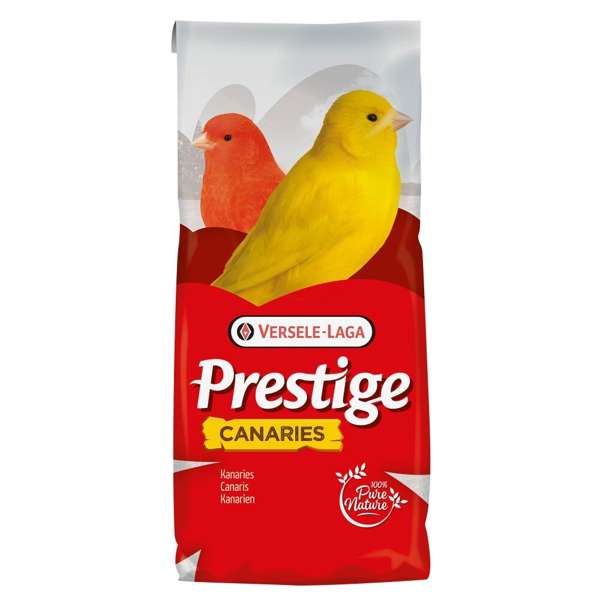
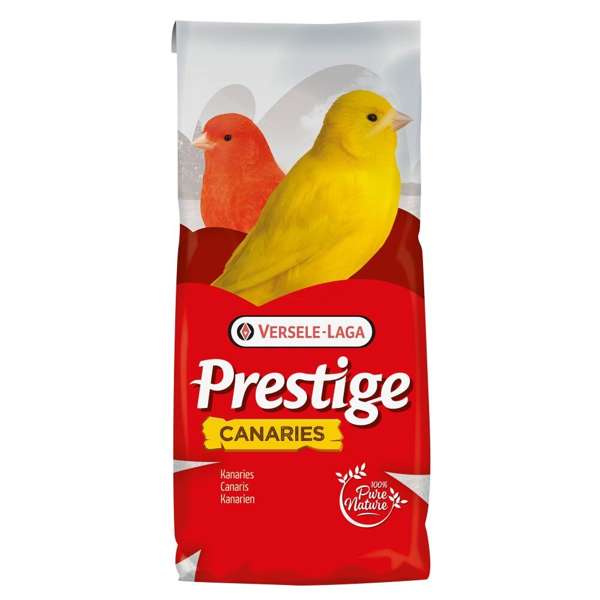
Versele-Laga Canaries Breeding and Conditioner 20kg
Versele-Laga Canaries Breeding and Conditioner 20kg
Couldn't load pickup availability
Versele-Laga Canaries Breeding & Conditioner 20kg — Premium Breeding Seed Mix for Canaries
Versele-Laga Canaries Breeding & Conditioner is a high quality seed mixture with 18% protein content, specifically formulated for breeding and conditioning canaries. The carefully selected blend of quality seeds provides essential nutrients while promoting the development of beautiful colour and type canaries.
Composition
Canary seed (41%), rapeseed (30%), linseed (8%), niger seed (7%), peeled oats (6%), hempseed (4%), perilla seed (2%), wild seeds (2%).
Key Benefits
- 18% protein content for breeding season nutrition
- High oil-seed content (rapeseed, linseed, niger, hempseed) for feather condition
- Perilla seed and wild seeds for variety and natural nutrition
- Promotes development of beautiful colour and type canaries
- Ideal for breeding and conditioning
- 20kg bulk bag
How to Feed
Offer daily in a clean seed hopper or dish during the breeding and conditioning period. Remove uneaten husks regularly and replenish with fresh seed. Always ensure fresh, clean water is available. Complement with egg food, fresh greens and mineral supplements for a complete breeding diet.
Frequently Asked Questions
Why is this higher in oil seeds than a standard canary mix?
The elevated oil seed content (rapeseed, linseed, niger, hempseed) provides the essential fatty acids and energy that breeding canaries need. Oil seeds also support feather condition and colour development, which is particularly important for colour and type canaries.
When should I use this mix?
This mix is ideal for use in the weeks leading up to and during the breeding season to bring birds into peak condition, and throughout the breeding season to support the elevated nutritional demands of breeding pairs.